

If you live around Tampa Bay, your home deals with a mix of heat, humidity, storm season, and the nonstop power demands of modern life. That combination can expose weaknesses in older electrical systems faster than you’d expect. If you’ve ever tripped a breaker while running the microwave and air fryer at the same time, your house may already be sending hints. A few strategic electrical upgrades can improve safety, convenience, and day-to-day peace of mind.
Upgrade the electrical panel before adding anything flashy
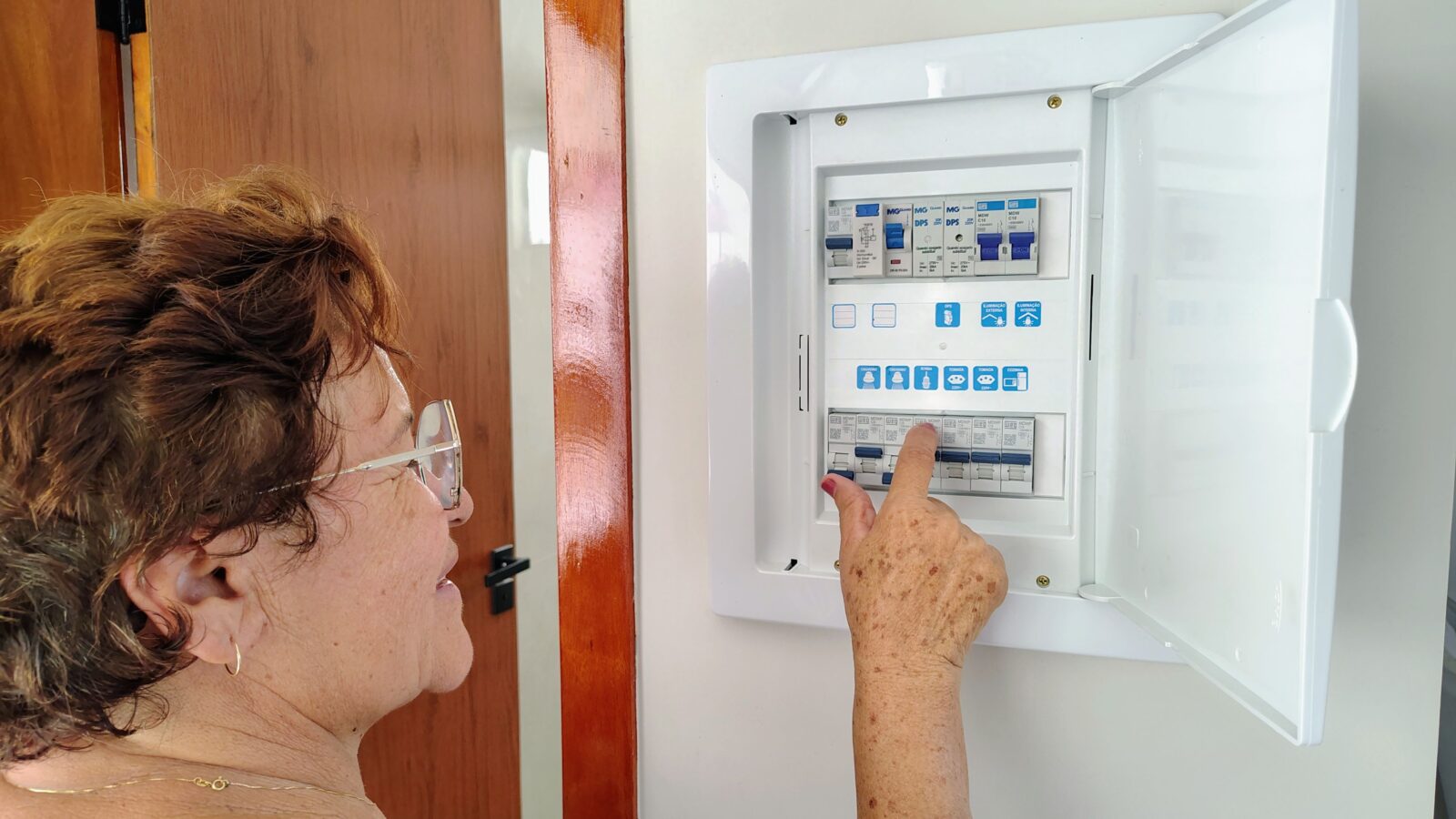
A new panel is not the glamorous part of a home upgrade, but it often does the heavy lifting. If your panel is outdated, undersized, or full to capacity, every new appliance or renovation puts more strain on the system. You can’t build a smarter home on an electrical backbone that’s already wheezing.
Panel upgrades become especially important if you’re adding a hot tub, HVAC system, workshop equipment, induction range, or EV charger. Some older panels also carry known reliability concerns and may need replacement for safety reasons alone.
When you work with an electrician in Tampa Bay, you can get a realistic assessment of whether your current panel still fits your needs. In a region where storm resilience and cooling demands matter, having enough capacity is less of a luxury and more of a practical necessity. It’s the backstage crew of your house, and the show falls apart without it.
Start by figuring out what your home is already telling you
Your electrical system usually drops clues before a real problem shows up. Lights that flicker when the AC kicks on, outlets that feel warm, buzzing switches, or breakers that trip often are not random quirks. They often point to overload, aging wiring, or panels that can’t keep up with current demand.
You should also pay attention to how your home is actually used now versus ten or twenty years ago. More devices, gaming setups, home office gear, smart appliances, and EV charging can push an old system past its comfort zone. A house built for one desktop computer now has to support phones, tablets, streaming boxes, and enough chargers to stock a small electronics aisle.
A basic electrical inspection gives you a much clearer picture. It helps you spot what’s outdated, what’s unsafe, and what deserves priority before you spend money in the wrong place.
Add GFCI and AFCI protection where it matters most
Some of the most valuable upgrades are also the least visible. GFCI outlets help protect you from shock in places where water and electricity might cross paths, including kitchens, bathrooms, garages, laundry areas, and outdoor spaces. AFCI protection helps reduce fire risk by detecting dangerous electrical arcing in circuits.
If your home is older, you may not have enough of either type of protection. That gap matters more than many homeowners realize. A bathroom outlet from the early 1990s may still work, but “still works” and “meets modern safety standards” are two very different sentences.
This is where targeted upgrades make a lot of sense. You don’t always need a full rewire to improve safety in meaningful ways. Replacing select breakers and outlets can bring key areas of your home more in line with current expectations and reduce risks that are easy to ignore until they become expensive.
Whole-home surge protection is worth more than one power strip
A single thunderstorm can do more damage to electronics than most people expect. In Florida, that concern is hardly hypothetical. Power surges can come from lightning, utility fluctuations, or even large appliances cycling on and off inside your home. A cheap power strip helps at the outlet level, but it does not protect the entire electrical system.
Whole-home surge protection is installed at the panel and acts like a first line of defense for your appliances, HVAC equipment, routers, televisions, and smart home devices. If your home contains expensive tech, this upgrade starts looking less optional and more like common sense.
You should think beyond obvious gadgets too. Modern refrigerators, washers, dryers, and even ovens often contain sensitive circuit boards. Replacing a control board because of one nasty surge is a frustrating way to learn that your “basic” appliances are now miniature computers wearing kitchen disguises.
Smart upgrades should improve function, not just add novelty
Smart switches, dimmers, motion sensors, and app-based controls can genuinely improve how your home works. They’re especially useful for exterior lighting, security, energy management, and hard-to-reach fixtures. The best smart upgrades solve small daily annoyances so consistently that you stop thinking about them.
For example, motion-activated lighting in a garage or entry path can make your home safer and more convenient. Smart dimmers can reduce energy use and improve comfort. Programmable lighting can make your house look occupied while you’re away. Those are practical wins, not just tech tricks for showing off to guests.
Still, smart devices should sit on top of a solid electrical foundation. If your wiring is questionable or your panel is maxed out, loading the system with connected devices is a bit like putting a spoiler on a car with engine trouble. Handle the infrastructure first, then add the nice stuff without creating new headaches.
Don’t overlook outlets, dedicated circuits, and EV readiness
Sometimes the best upgrade is embarrassingly simple: putting power where you actually need it. Too few outlets leads to extension cord tangles, overloaded power strips, and awkward room setups. Adding outlets in better locations can make a room safer and easier to use without any dramatic remodel.
Dedicated circuits also matter more than people think. Kitchens, laundry rooms, workshops, and entertainment setups often run better and safer when major loads are separated properly. If you’re planning a renovation, this should be part of the conversation early, not after the drywall goes up.
EV readiness is another big one. Even if you don’t drive an electric vehicle yet, preparing for one can save time and money later. Running the right circuit during another upgrade is often easier than doing it as a standalone project. Homes are changing fast, and your electrical setup needs enough flexibility to keep pace.