

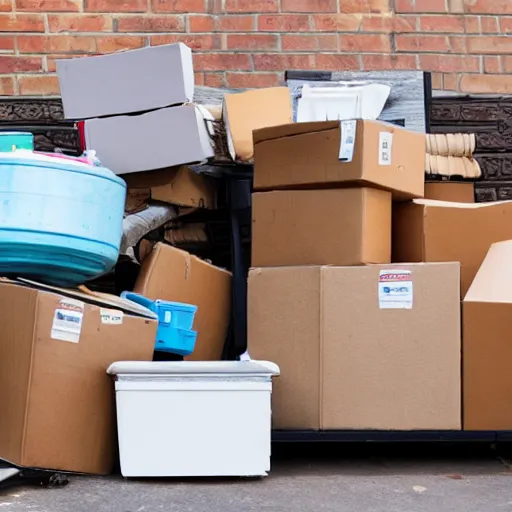
Junk removal goes faster, costs less, and is safer when a home is ready before the truck arrives. Preparation is more than boxing items. It includes sorting by disposal path, clearing access from the curb to the attic, handling special items like refrigerators or paint cans correctly, and deciding whether a roll-off dumpster or on-demand pickup fits the scope. Whether you are emptying a storage room, reclaiming a garage, or planning an estate cleanout, a few practical steps can prevent delays and damage. Use the guide below to organize what leaves, keep travel routes clear, and avoid common mistakes that complicate removal day.
-
Sort by Destination: Trash, Donation, Recycling, Resale, and Hazardous
Start with five clear categories to steer where each item goes: trash, donation, recycling, resale, and hazardous. Place e-waste like laptops, printers, and old TVs in a dedicated electronics area for proper recycling and data wiping. Set aside appliances with refrigerants, such as refrigerators or dehumidifiers, because they require certified refrigerant recovery. Keep paint separate and note whether it is latex or oil-based. Put propane cylinders, automotive fluids, and pool chemicals in a hazardous pile, not with regular debris. Clearly mark boxes of clothing, kitchenware, or furniture suitable for donation to keep them out of the trash stream.
If you plan a curbside pickup or contractor-assisted haul, confirm what they accept and how they route special items. For example, mattresses and box springs, fluorescent tubes, and lithium batteries often follow different intake rules than standard household junk. If you are scheduling a pickup through Classic Cleanouts in Melrose or a similar local service, ask in advance about items that require extra prep, such as taping refrigerator doors, bagging loose insulation, or draining fuel from small engines. Right-sizing these piles prevents last-minute reshuffling and keeps regulated materials out of general loads.
-
Plan the Path: Parking, Stairwells, Elevators, and Floor Protection
Efficient removal depends on a continuous, obstacle-free path from item locations to the truck. Measure bulky pieces like sectionals, armoires, or treadmills against doorways and turns; remove doors from hinges if needed. Reserve a loading zone, driveway, or street parking (where allowed) so the crew stays close to the entry. In multifamily buildings, book the freight elevator and protect surfaces with ram board or drop cloths. Clear stairwells of shoes, planters, and runners to reduce trip hazards. In winter, shovel and salt walkways and steps ahead of time to prevent delays and injuries.
Two realistic scenarios show why access planning matters. In a third-floor walk-up, prebundling broken-down shelving and lightweight items in contractor bags shortens trips and limits loose debris on stairs. In a condo with strict move rules, posting elevator reservations and using corner guards can be the difference between a smooth morning and a rescheduled job. The common mistake is assuming the crew can work around narrow passages or snowbanks; instead, map the route, stage items near exits without blocking them, and protect floors before the first lift.
-
Dumpster or On-Demand Pickup: Matching Scope to the Right Container
Choose between a roll-off dumpster and an on-demand truckload based on volume, timing, and who provides labor. A 10- to 20-yard dumpster suits multi-day projects like garage overhauls or small remodeling debris, letting you load at your pace. Protect the driveway with plywood under the wheels and stay below the fill line to avoid removal refusals. On-demand junk pickup works when you want labor included and a single-session clear-out, such as an attic sweep or rental turnover. Trucks measure load size in cubic yards; separating heavy materials like concrete, tile, or soil can help avoid weight overages.
There are trade-offs. Dumpsters offer flexibility but may require permits, conflict with HOA rules, and cannot accept certain items like tires or hazardous chemicals. Overloading or mixing dense materials can incur weight fees. On-demand pickup minimizes site impact and scheduling complexity. Still, access constraints like low tree branches or tight alleys can limit truck positioning, and very slow elevator cycles can extend labor time. If you are undecided, inventory large items, estimate bag counts for small debris, and discuss any heavy materials up front to select the better fit.
-
Handle Special Items Correctly: Appliances, Paint, Batteries, and Yard Waste
Appliances with coolant lines, such as refrigerators, freezers, and water coolers, require certified refrigerant recovery. Remove food, tape shelves, and secure cords to prevent snags. Empty dehumidifiers and washing machines, then cap hoses. Propane tanks, gasoline, and oil-based paints belong in household hazardous waste streams, not general debris. For latex paint, many facilities prefer it cured solid; let cans dry with kitty litter or a hardener before disposal if allowed locally. Tape battery terminals on lithium and lead-acid units and keep them away from metal scraps to avoid short circuits during transport.
Mattresses, box springs, and upholstered furniture are often routed for material recovery when facilities are available; bag or wrap bed bug infested items in plastic and label them to protect handlers. Keep yard waste like branches, leaves, and grass clippings, separate from construction debris; many processors accept it only in paper lawn bags or loose in a designated container. For renovation offcuts, separate clean lumber from drywall and tile, and watch the weight of plaster, shingles, or brick, which can quickly exceed standard allowances. Screws and nails should be magnet-swept from floors to protect tires and shoes after loading.
Stage the Work: Lists, Labels, Timing, and Day Of Flow
Write a simple scope list and snap photos of each room’s pile before moving anything. Use colored tape or sticky notes to mark furniture as Remove or Stay to avoid confusion around heirlooms or leased appliances. Stage small items in stackable boxes near the exit while keeping pathways clear for large pieces. If donation is part of the plan, group those items and keep receipts ready for pickup documentation. Secure pets in a closed room or off-site and alert neighbors in shared hallways about the window of activity to reduce interruptions.
On removal day, confirm start times and the parking location, then walk the crew through the path, pointing out fragile moldings or low-hanging fixtures. Keep a broom, dustpan, and contractor bags handy for sweep up behind furniture. Have tarps available if rain is forecast so cardboard boxes do not fall apart mid-carry. In cold weather, prop doors briefly only when moving large items to retain heat and reduce slippery thresholds. Before the truck leaves, do one last pass through the attic, crawlspace, shed, and behind doors to catch overlooked items and confirm any special-handling pieces made it onto the correct load.
Preparing thoughtfully turns junk removal from a long interruption into a focused, low-risk task. Sorting by destination, opening clear travel routes, choosing the right container, and flagging special items give crews the information and access they need to work efficiently. The same approach scales from a modest garage cleanup to a complex estate clearout because the fundamentals stay the same: know what you are discarding, plan how it moves through the property, and stage the day so decisions are already made. A short checklist today helps you reclaim space sooner without surprises tomorrow.