

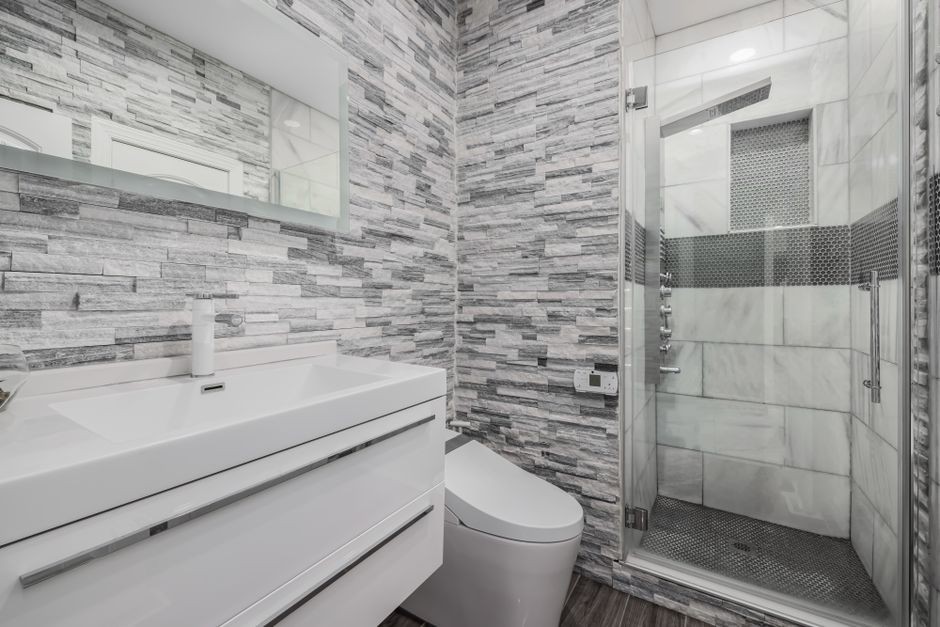
Your bathroom gets used constantly, but it usually earns attention only when something breaks, looks dated, or starts feeling cramped. If you’re thinking about a remodel, you’re probably balancing style, storage, budget, and timing all at once.
In Kansas City, where homes range from older bungalows to newer suburban builds, bathroom updates often come with very different challenges. A smart plan helps you avoid expensive detours and gets you a space that actually works for your daily routine.
Start With How You Actually Use the Space
Before you pick tile, paint, or faucets with dramatic showroom lighting, take a hard look at how your bathroom functions. You need to know what annoys you now. Maybe the vanity has no usable storage. Maybe the shower is tiny, or the lighting makes every morning feel like a jump scare.
Write down what happens in the room every day. Think about traffic, clutter, moisture, and cleaning. A bathroom used by two adults before work needs a different layout than one used mainly by guests. If you have kids, easy-to-clean surfaces matter more than a trendy finish that shows every water spot.
Set a Budget That Includes the Sneaky Costs
Bathroom remodels have a talent for looking straightforward until the walls open up. Then you find old plumbing, water damage, uneven subfloors, or wiring that belongs in a museum. Your budget needs room for those surprises.
Break your spending into categories:
– Demolition and disposal
– Plumbing and electrical work
– Flooring and wall finishes
– Vanity, sink, and countertops
– Shower or tub upgrades
– Lighting, mirrors, and ventilation
– Labor and permit costs
– Contingency fund
A good rule is to reserve 10 to 20 percent for unexpected issues. That cushion can save you from cutting important features later. Hire a local Kansas City bathroom remodeling company to conduct an assessment and get estimates. A professional evaluation will help avoid unwanted costs and ensure the work is done properly.
Understand the Difference Between Cosmetic and Functional Changes
Not every remodel needs a full gut renovation. Sometimes the smartest move is improving what already works. Replacing a vanity, updating fixtures, refinishing a tub, and installing better lighting can dramatically change the room without moving plumbing lines.
Functional changes cost more, but they can solve long-term problems. Expanding a shower, adding a double sink, improving storage, or converting a tub into a walk-in shower may offer stronger everyday value. If you plan to stay in your home for years, usability should carry real weight.
Choose Materials That Can Handle Real Moisture and Real Life
Bathrooms are humid, messy, and used half-awake. Materials need to survive all three. A finish that looks great online may be a nightmare if it stains easily, traps grime, or gets slippery when wet.
Porcelain tile is a popular pick for floors and shower walls because it’s durable and water-resistant. Quartz countertops are low-maintenance and resist staining better than many natural stones. Semi-gloss or satin paint usually performs better than flat finishes in a damp room.
You should also think about upkeep. Tiny mosaic tile can look beautiful, but more grout lines mean more cleaning. Matte black fixtures look sharp, though they can show mineral buildup quickly if you have hard water.
Try to balance style with maintenance. You’re not designing a movie set. You’re creating a room you’ll use every day, often in a hurry, sometimes with wet socks.
Focus on Layout, Lighting, and Storage Before Decor
A bathroom that looks polished but works poorly gets old fast. Layout matters more than decor. You need enough clearance around the toilet, a vanity height that feels comfortable, and a shower setup that doesn’t require acrobatics.
Lighting deserves more respect than it usually gets. One overhead fixture won’t cut it if you shave, do skincare, apply makeup, or just want to see your own face without shadow drama. Layered lighting works best:
– Overhead lighting for general visibility
– Vanity lighting for grooming tasks
– Accent lighting for a softer feel at night
Storage should be practical, not decorative filler. Drawers often work better than deep cabinets where items disappear into the abyss. Recessed shelving in the shower can reduce clutter without taking up extra space.
Plan for Disruption So the Project Doesn’t Wreck Your Routine
Even a well-run remodel disrupts your home life. If it’s your only bathroom, you’ll need a backup plan before demo starts. Staying with family, using another bathroom nearby, or timing the remodel around travel can reduce a lot of stress.
Material lead times also matter more than many homeowners expect. Custom vanities, specialty tile, shower glass, and certain fixtures may take weeks to arrive. Ordering key items early can prevent your project from stalling halfway through.
Expect noise, dust, and some schedule shifts. Construction has its own personality, and it’s not always cheerful. Still, solid planning helps. Confirm the sequence of work, ask when water may be shut off, and keep communication frequent but simple.
Think Long Term Instead of Chasing Every Trend
Trends can be useful for inspiration, but your bathroom should still make sense five or ten years from now. Highly specific looks may date quickly, especially if they rely on one bold finish or color dominating the room.
A better strategy is to build a timeless base and add personality through easier-to-swap details. Neutral tile, durable surfaces, and classic fixtures tend to age better than trend-heavy choices that peak on social media and disappear by next season.
Also consider accessibility and future comfort. A curbless shower, wider entry, grab bar blocking behind the walls, or handheld showerhead may not feel urgent today, but they can improve convenience for guests, family members, and your future self.
The best remodel usually isn’t the flashiest one. It’s the one that keeps working beautifully long after the novelty wears off and the receipts are filed away.