

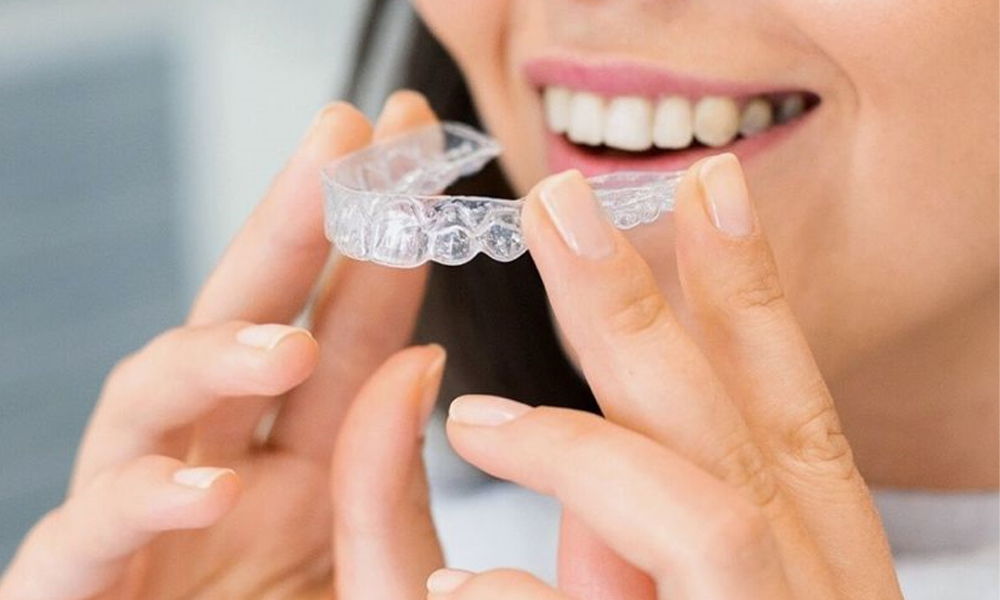
If you’ve been thinking about straightening your teeth without making your smile look like a hardware project, clear braces probably caught your attention. They’re subtle, effective, and popular with teens and adults who want straighter teeth without the look of traditional metal braces. If you’re in Kirkland, WA, that choice also comes with local factors worth considering, from access to orthodontic care to the everyday reality of school, work, and social life around a busy Eastside schedule.
What Clear Braces Really Are
Clear braces work a lot like traditional braces, but they use tooth-colored or transparent brackets that blend in with your teeth. You still get the structure and control of braces, just with a less noticeable look.
That matters more than people admit. If you’re in class, at work, or posting photos every five minutes, you may want treatment that doesn’t scream orthodontics. Clear braces give you that middle ground. They’re visible up close, sure, but from a normal distance they tend to stay under the radar.
They’re often confused with clear aligners, but they’re not the same thing. Aligners are removable trays. Clear braces stay on your teeth and are adjusted by an orthodontist. That fixed setup can be a big advantage if you don’t want the responsibility of remembering to wear trays for 22 hours a day. Discipline is great. Built-in discipline is sometimes better.
Who Benefits Most From Clear Braces
Clear braces can work well if you want a discreet treatment option but still need the control that fixed braces provide. They’re often used for crowding, gaps, bite issues, and more complex alignment problems that may not be ideal for every clear aligner case.
You might be a strong candidate if you:
- Want less noticeable braces
- Need treatment for moderate or complex alignment issues
- Don’t want to keep track of removable trays
- Are comfortable making a few food and cleaning adjustments
Age matters less than commitment. Plenty of teens choose clear braces because they care about appearance, but they still need something reliable. Adults often like them for professional settings where they’d rather not lead every meeting with a flash of metal.
If you’ve been looking into clear braces in Kirkland, WA, it helps to think beyond aesthetics. The real question is whether your lifestyle, dental needs, and follow-through match the treatment. A subtle look is nice. A treatment plan that actually fits your life is better.
What Daily Life With Clear Braces Is Like
The first week usually comes with an adjustment period. Your teeth may feel sore after placement and after tightening appointments. That’s normal. Orthodontic movement isn’t exactly a spa service.
You’ll also need to change how you eat. Sticky candy, popcorn, hard chips, and chewing ice can damage brackets or wires. If your current diet is powered by caramel and bad decisions, expect a few negotiations.
Cleaning takes more effort too. Food can get trapped around brackets, and clear materials may stain if you’re sloppy with hygiene. You’ll want to brush after meals when possible and use tools like floss threaders or a water flosser.
A normal routine often includes:
- Brushing carefully around brackets after eating
- Flossing at least once a day
- Using orthodontic wax for irritation
- Keeping up with adjustment visits
- Watching out for foods that can crack or stain braces
The upside is consistency. Since clear braces stay on, your treatment keeps working every hour of the day, including when you’d rather forget about it.
Clear Braces vs. Other Treatment Options
If you’re choosing between metal braces, clear braces, and aligners, the best option depends on your priorities. No single system wins every category.
Metal braces are usually the most noticeable, but they’re durable and often cost less. Clear braces improve appearance without losing the mechanics of braces. Aligners offer the cleanest look, but they require serious compliance and may not suit every case.
Here’s the practical breakdown:
- Metal braces: strongest visibility, strong performance, often lower cost
- Clear braces: lower visibility, strong control, slightly more delicate
- Aligners: nearly invisible, removable, highly user-dependent
Costs can vary depending on the provider, treatment complexity, and overall treatment length. In some cases, clear braces cost a bit more than metal braces because of the materials used.
If you’re balancing budget, appearance, and treatment goals, ask for a side-by-side consultation. Seeing your options in clinical terms is much more useful than trying to decode internet opinions from strangers who may have skipped half their appointments.
What to Ask at Your Consultation
A consultation should give you more than a price quote and a cheerful brochure. It’s your chance to find out whether the orthodontist, treatment plan, and office routine are the right fit for you.
Come prepared with specific questions. Good orthodontic care is about more than straightening teeth. It also includes clear communication, realistic expectations, and a treatment plan that fits your daily routine.
Consider asking questions such as:
- Am I a good candidate for clear braces, or would another option work better?
- How long is treatment likely to take in my case?
- What foods and habits should I avoid?
- How often will I need appointments?
- What happens if a bracket breaks?
- Are payment plans or insurance options available?
Convenience is worth thinking about as well. Regular checkups are part of treatment, so choosing an office with appointment times that work for your schedule can make it much easier to stay on track.
Finally, pay attention to how clearly the orthodontic team explains everything. If you leave your consultation with a good understanding of your treatment plan, expected timeline, and next steps, you’ll be in a much better position to make a confident decision.
How to Get the Best Results From Clear Braces
Getting clear braces is only step one. The outcome depends heavily on what you do between appointments. Small daily habits can either protect your progress or quietly sabotage it.
Start with hygiene. Clear brackets can stain, and plaque buildup around them becomes very visible. If you drink coffee, tea, or dark sodas, rinse with water afterward when you can. If you play sports, ask about a mouthguard that works with braces.
Broken brackets, skipped appointments, and careless eating can slow treatment down. So can ignoring retainer instructions after treatment ends. Teeth have a sneaky habit of trying to drift back.
To stay on track:
- Follow food restrictions even when they’re annoying
- Keep every adjustment appointment you can
- Call promptly if something feels loose or painful
- Use your retainer exactly as directed after treatment
- Take progress seriously, even when the changes seem gradual
Clear braces can be a great choice if you want a treatment option that balances appearance, comfort, and reliable results. Before you begin, take time to understand how the process works, ask thoughtful questions during your consultation, and commit to the daily habits that support successful treatment. With realistic expectations and consistent care, you’ll be well on your way to a healthier, more confident smile.