

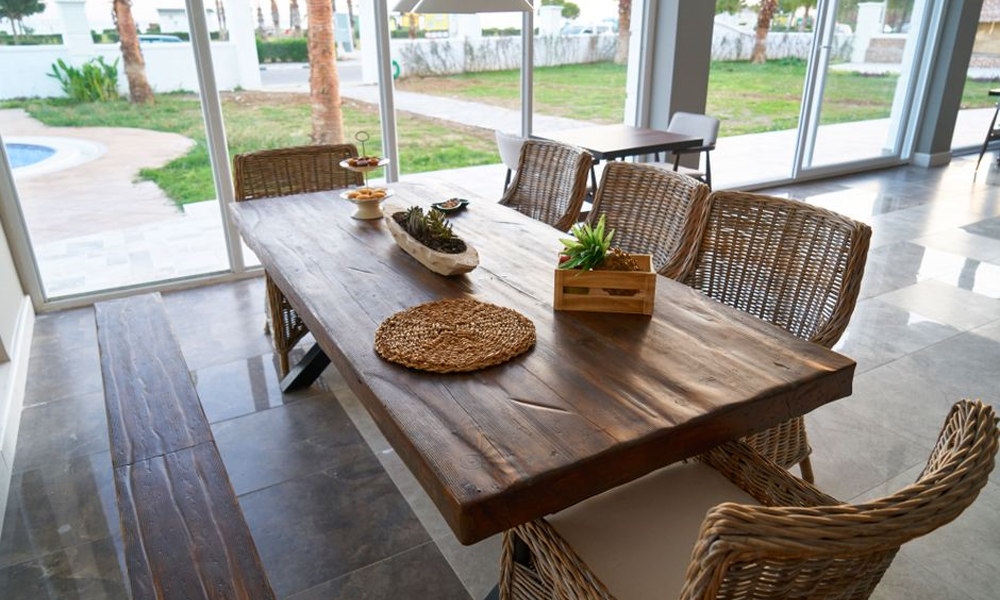
Nobody sits down to a beautiful table by accident. That doesn’t mean you need a formal dining room or a cabinet of matching china. What separates a thrown-together meal from one that feels considered usually comes down to two or three small decisions made before anyone sits down.
Whether you’re feeding friends, family, or just trying to make pizza night look less like a cardboard emergency, those decisions cost almost nothing. Your home stays your home. The table just stops looking accidental.
Start with the napkins
A bare table always feels like something is missing, and the plates are almost never the reason. Plain wood or a flat cloth leaves the eye with nothing to hold onto, so even a great meal sits on a setting that looks half done. Napkins fix this quicker than anything else in the drawer, dropping color and texture right where everyone is already looking. Bergen Linen shows a fold that tucks the silverware inside the napkin, so each spot at the table looks planned even if you have no folding skill at all.
Cloth softens a table in a way paper rarely matches. Good paper still works, though, as long as the color suits the room and the fold is clean. Rest one in the middle of the plate or slide it under the fork for something easy and low effort. The small choices carry more weight than they seem to. A crumpled napkin looks careless, while a neat one looks like you meant it.
Pick an easy color scheme
A table looks more stylish when the colors feel connected. You don’t need a designer brain for this. Just choose two or three colors and repeat them around the table. For example, white, green, and wood tones always feel fresh. Soft blue with cream works well in spring. Rust, beige, and deep green can make fall dinners feel cozy without screaming pumpkin overload.
Start with what you already have in the room. If your dining area has warm wood furniture, lean into earthy shades. If your kitchen is bright and modern, lighter colors may look better. Keep the table from feeling chaotic by not mixing too many bold patterns at once. One patterned item, like a runner or napkins, is usually enough. The goal is for your setup to feel calm and welcoming, not like a color wheel got into a fight.
Layer without overdoing it
Layering makes a table feel finished, but too much stuff turns dinner into an obstacle course. A good setup has enough pieces to create interest while leaving room for people to eat like normal humans. Start with the basics: plates, glasses, napkins, and maybe a runner or placemat. Then add one or two extra details, such as a candle or a small bowl in the center.
Height matters too. Low centerpieces are your friend because guests should see each other, not peek around a giant floral mountain. If you use candles, keep them unscented so they don’t compete with the food. Mixing materials also helps. Smooth plates, soft linen, and a little glass or wood create contrast without clutter. When in doubt, remove one item. Tables usually look better when they can breathe. Your lasagna deserves some elbow room.
Use pieces you already own
A stylish table doesn’t have to come from a shopping spree. In fact, it often looks more interesting when it’s built from things you already use. Everyday plates can look charming when paired with cloth napkins and a simple centerpiece. A plain bowl filled with lemons, bread, or fresh herbs can do more than an expensive decoration that no one understands.
Look around your kitchen before you buy anything new. Jars can become vases. A cutting board can work as a serving base. Tea lights in mismatched holders can still look cozy if the colors relate. Mixing old and new pieces gives the table personality. It also keeps the setup from feeling too stiff. You want guests to think, “This is lovely,” not “Am I allowed to touch the fork?” A homey table usually beats a perfect one because it feels lived in and real.
Add one personal touch
The most memorable tables usually have one small detail that feels personal. It doesn’t need to be crafty or complicated. A handwritten name card, a tiny flower on each plate, or a favorite family snack set out before dinner can make people feel cared for. These little touches create warmth, and warmth is what people remember long after the salad is gone.
Think about the reason people are gathering. If it’s brunch with friends, maybe add a cheerful jam jar or mini pastry plate. If it’s a family dinner, set out a shared bowl of something everyone loves. Even a simple note that says “dig in” can make the meal feel playful. Try not to overthink it. The point isn’t to impress people into silence. It’s to create a moment that feels thoughtful. A table with personality always wins over one that looks copied from a catalog.
Keep cleanup in mind
A beautiful table is great, but it’s even better when you don’t regret it afterward. Before you set everything out, think about what cleanup will actually feel like. If you’re hosting a casual dinner, skip anything too delicate or hard to wash. Use linens that can handle a spill. Choose serving pieces that go straight into the dishwasher. Beauty is nice. Sanity is nicer.
It also helps to leave some open space for serving dishes and empty glasses. Crowded tables get messy fast, especially once people start passing food around. If you know dessert is coming, plan where those plates will go before the table turns into a game of dish Tetris. A practical setup lets you enjoy your guests instead of silently worrying about stains and stacks. In the end, the best table is one that looks inviting, works well, and makes everyone want to sit a little longer.