

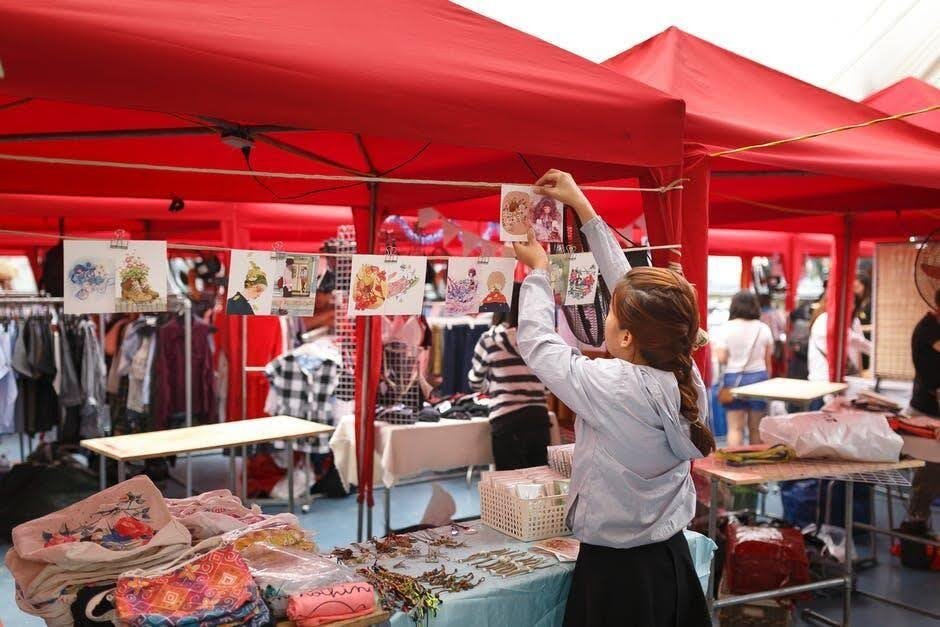
What makes shoppers stop at one booth while walking past many others? In a busy retail space, a well-planned booth can catch the eye, spark interest, and turn casual visitors into buyers. Its colors, signs, layout, and displays all help shape the shopping experience.
Good design also makes it easier for people to explore products and speak with staff. With smart trade show planning, brands can create spaces that feel inviting and easy to use. This guide explains how thoughtful booth design attracts more visitors and helps turn their interest into real sales.
Create A Strong First Impression
Shoppers decide quickly whether a booth is worth a closer look. A clear theme, balanced colors, and neat signs can make a space stand out. The design should show what the brand sells; this makes the offer easier to understand so shoppers can spot the offer even when the room feels busy throughout the event.
Large signs help visitors understand the offer from a distance. Use short words, clear fonts, and a brand name people can read while walking. Place the main message near eye level, above displays and shoppers, and choose words that match the product and customer needs.
Lighting also draws the eye. Bright light can highlight products, while softer light can make a space feel warm. Good lighting helps shoppers see details without glare, so the booth stays bright without distracting from the items.
Make The Layout Easy To Explore
A booth should invite people inside, not block the entrance. Open paths give shoppers room to look around without bumping into displays. Keep useful products near the front and leave room to browse and help visitors feel welcome instead of rushed or crowded.
Group products so shoppers can find what they need. A simple layout can guide people between displays and help them compare. Keep walkways free of boxes, cords, and extra furniture; clear groups also reduce stress for new visitors, which makes it easier to compare items and ask questions.
Think about how people enter, pause, and leave. A demo area or sample table can make visitors stay longer without blocking the flow. Staff need room to greet guests and answer questions while keeping the space open for people using wheelchairs or strollers during busy hours.
Use Displays That Invite Interaction
People remember products better when they see how they work. Hands-on displays let visitors touch samples or try a product. These moments build trust and help shoppers judge a product; it can make the visit feel more personal and give shoppers a reason to pause and learn more with clear purpose.
Choose display tools that fit each item’s size and purpose. Custom indoor packages can bring matching shelves, counters, signs, and stands together. A set of booth displays can make products easy to see and keep the space neat, so each item has enough room and can be seen clearly for buyers.
Keep interactive areas simple and safe. Give clear demo steps and keep samples clean and ready. Staff can invite visitors to try, then explain the product’s value in plain words while staff stay nearby to help without pressuring anyone before opening day.
Trade Show Planning Around Visitor Needs
Good booth design starts before the event. During trade show preparation, learn who will attend and which products matter most. This helps the team choose the right layout and message and make the brand feel helpful, clear, and easy to trust for better results.
Set one main goal, such as showing a product, collecting leads, or making sales. The goal shapes signs, displays, and staff roles. It helps the team judge results beyond visitor numbers so visitors can see the value before they speak with staff with fewer delays.
Trade show planning also covers practical details. Check booth size, power, delivery times, setup rules, and storage before choosing displays. Good trade show logistics prevent late changes and messy spaces; these checks protect the look and visitor experience and help the team avoid stress during a busy event after each visit.
Connect Design With A Clear Brand Story
Every booth element should fit the brand. Use matching colors, images, signs, and materials to show who you are. A clear look helps people remember the business and shape a message that feels useful to likely buyers across all displays.
Show what makes the product useful. A sign can explain a benefit, while a sample can show it. Avoid too much text, which can hide the main message so the team can focus on the most important task for quick reading.
Use event marketing strategies before and during the event. Share the booth location, invite customers, and offer a reason to stop. These steps can bring more visitors and turn attention into action; keep the message warm, useful, and easy to recall and make sure every item arrives in good condition throughout the day.
Measure Results And Improve The Experience
A busy booth is good, but numbers do not tell all. Track stops, questions, product trials, and sales. These details show which design features turn interest into action even when shoppers have only a few seconds to look with real shoppers.
Ask staff what visitors noticed or found confusing. They may find a small sign, tight path, or poor display. Short surveys can show what visitors liked or wanted and make the booth feel familiar across every event.
After the event, compare results with the goal. Use exhibition success tips to move displays, change messages, or add demo space. Save useful booth design ideas and photos for next time without making the space feel crowded or hard to read.
Turn Every Visit Into A Sales Opportunity
A well-designed pop-up booth does more than look good. It helps shoppers notice a brand, explore products, and feel ready to ask questions or buy. Clear signs, open paths, useful displays, and friendly staff all support that journey.
Careful trade show planning brings these parts together and helps each visit feel smooth and useful. By watching how people respond, brands can make smart changes for future events. A booth that puts shoppers first can turn passing interest into lasting customer ties.
Did this guide help you? Browse the rest of this section for more advice on a variety of topics.