

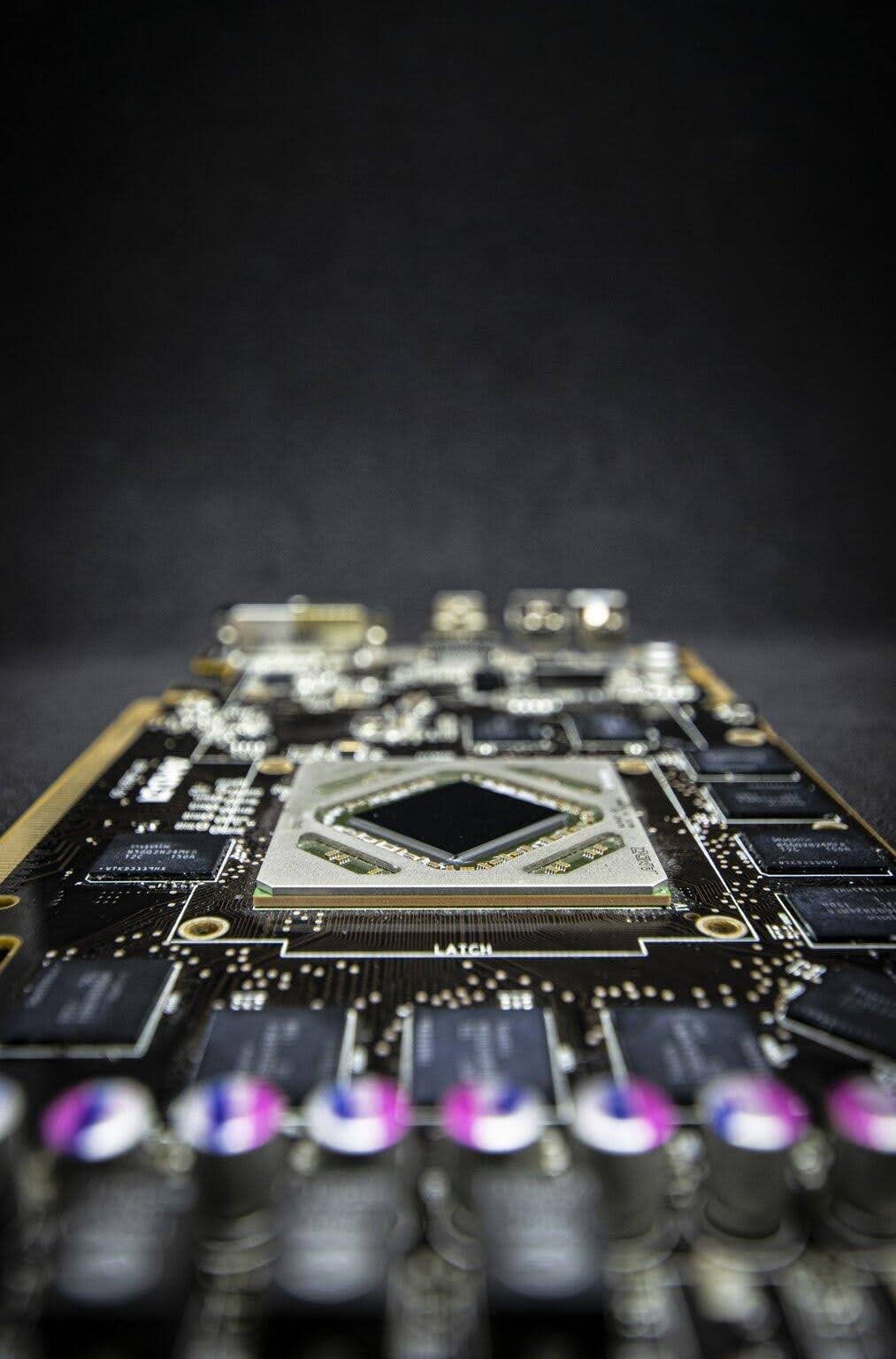
Running big AI models in 2026 strains data center budgets when memory costs spiral upward. High Bandwidth Flash adds a smart storage tier that keeps huge data pools right beside compute chips. Teams can now lower inference costs per terabyte and serve long prompts without buying extra GPU clusters.
Why Memory Bottlenecks Drive Up AI Inference Spending
Large language models spend most of their runtime moving data instead of doing math. Standard high-bandwidth memory chips run fast, but their small size forces teams to buy dozens of pricey GPUs just to hold 1 model. Financial research estimates published in November 2026 found that 8-die High Bandwidth Flash costs about $0.64 per gigabyte versus $6.78 for 8-die HBM4, which could cut AI inference spending by 30%.
Buying extra GPU servers just to gain more RAM wastes power, rack space, and software fees. Compute cores sit idle when they wait for model weights or chat context to load from slow disks. Adding dense flash tiers fixes this bottleneck – teams get huge memory capacity without paying for unused compute chips.
- High bandwidth memory costs soar
- GPU clusters sit idle often
- Long prompts eat RAM fast
- Power bills climb every month
How High Bandwidth Flash Bridges the Memory Gap
Standard solid-state drives move data too slowly for active neural layers, and fast DRAM stacks hold too little data for huge models. Engineers at Sandisk built High Bandwidth Flash by stacking NAND dies vertically with wide parallel paths for quick AI reads. This design packs 8 to 16 times more capacity into the exact same space as standard high-bandwidth memory stacks.
Flash memory chips keep stored weights safe without needing constant power refresh cycles, which trims idle server energy draw. Rather than replacing fast DRAM, this tier sits right next to GPU memory as a warm capacity pool. Compute cores pull active weights from fast RAM and stream big context blocks smoothly from stacked flash.
Scaling LLM KV Caches Without Hyperscale GPU Clusters
Each time a user chats with an AI bot, the system builds a key-value cache to track past words. Long files, code repos, and multi-step AI agents push these caches to hundreds of gigabytes per user. A server hardware release noted that smart key-value cache designs cut wait times on long prompts and boost total GPU use.
Storing giant caches inside standard GPU RAM fills up space fast and limits active user sessions. Moving warm chat states onto High Bandwidth Flash frees up fast DRAM for live token output. A product spec overview reported that first-generation High Bandwidth Flash stacks hold 512 gigabytes per stack and reach 1.6 terabytes per second in read speed. That massive capacity lets 1 server hold thousands of active sessions at once without recalculating old tokens.
Open Standards Speed Up Enterprise Hardware Adoption
Enterprise buyers often wait to buy new memory gear when only 1 vendor controls the design. Open hardware rules let server makers, chip firms, and cloud teams share common electrical and board layouts across data centers. An August 2026 Open Compute Project announcement explained that top memory makers released the first open rules for High Bandwidth Flash to back AI inference systems.
Shared rules help board makers build drop-in sockets that fit standard flash stacks beside current chips. IT teams gain steady supply chains and simple upgrade paths for their existing server racks. Better hardware match-ups cut setup costs and speed up rollouts for mid-sized firms. Companies can expand memory capacity without ripping out their current server floors.
Balancing Speed and Endurance in Hybrid Memory Tiers
Managing Flash Write Cycles
Unlike volatile DRAM, NAND flash cells wear down slowly each time a system writes new data blocks. AI inference jobs run best on flash when servers read model weights often and write cache updates in clean batches. An engineering blog analysis pointed out that High Bandwidth Flash delivers flash-scale capacity at speeds near system RAM, though teams must still watch write wear.
Tuning Buffer Headroom for Longevity
Smart memory software stops early wear by keeping fast-changing tokens inside DRAM and saving stable context blocks to flash. Leaving a small buffer of free space inside each flash stack cuts cleanup work and smooths out data flow. A recent academic study showed that saving 10% headroom on High Bandwidth Flash cuts job runtimes by 4.7% and stretches write life from 4.77 years to 14.82 years. Simple software rules turn flash into a reliable long-term asset for busy AI teams.
Practical Steps to Lower Cost Per Terabyte
Building a lean inference server means matching each data type to the right speed and price tier. Teams keep active model layers in ultra-fast DRAM and move large search indexes and warm caches to stacked flash. A chip market report warned that High Bandwidth Flash offers about 60% of HBM bandwidth, so operators must pair both tiers wisely under peak loads.
- Keep hot weights in HBM
- Move older caches to flash
- Reserve extra space for wear
- Batch long prompts together smartly
Where High Bandwidth Flash Delivers the Biggest Savings
Not every AI task needs extreme nanosecond speed across every gigabyte of stored data. Search-based AI tools scan huge company files where high total read speed matters far more than raw write speed. Multi-user chat apps serve thousands of returning guests whose chat histories can wait on flash between turns without bloating RAM costs.
Code assistants and batch review jobs see strong gains from dense flash pools too. Teams load whole software repos into warm flash once and query those files all day. That setup trims server count and keeps hourly compute spend low.
Local edge servers in clinics, plants, and retail shops gain even bigger wins from dense, low-power stacks. Small servers can run 70-billion-parameter or 400-billion-parameter models inside 1 compact box without renting cloud GPU clusters. Cutting hardware size per terabyte lowers cooling bills, rack fees, and monthly cloud costs. Private company data stays on site where security teams can guard it easily.
Smart Memory Choices Shape Future AI Budgets
High Bandwidth Flash gives business teams a clear way to run huge language models without hyperscale spending. Pairing low-cost flash space with fast active memory cuts cost per terabyte and keeps current GPU servers useful for years. If you’d like to learn more, check out more articles on our blog.