

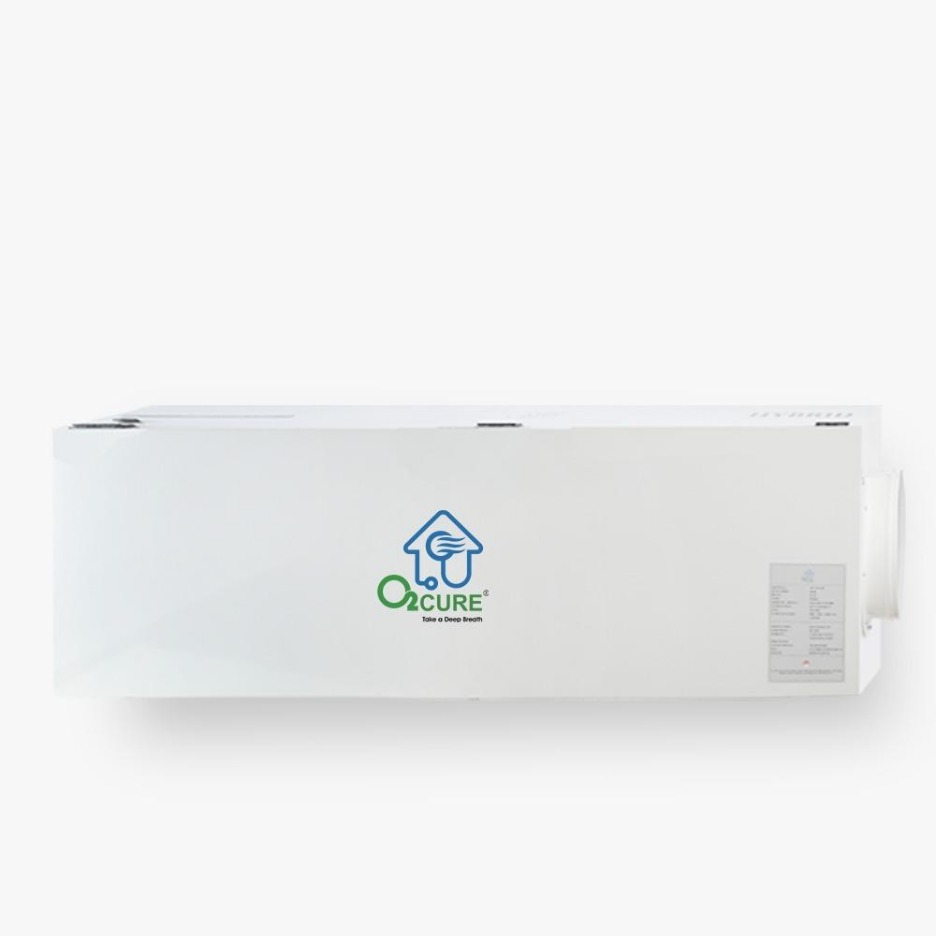
Indoor air quality has become an important part of creating comfortable and healthier living spaces. Homes can contain dust, pollen, pet dander, smoke, odors, and other airborne particles that affect everyday comfort. As people spend significant time indoors, maintaining cleaner air has become a practical household priority.
Choosing an air purifier for home use can support better indoor air management by filtering unwanted particles and improving overall air quality. Modern purification solutions are available in different sizes and configurations, allowing homeowners to consider room size, pollutant sources, filtration technology, noise levels, and maintenance needs before selecting a suitable system.
Cleaner Indoor Environments Through Smarter Air Solutions
Modern purification systems combine filtration, air circulation, and monitoring features to support cleaner indoor environments across different household spaces.
1. Managing Common Indoor Air Pollutants
Homes can contain various pollutants originating from outdoor air, cooking, cleaning products, furnishings, pets, and everyday activities. Dust and pollen can enter through doors and windows, while smoke and odors may develop indoors. A suitable purification system can help reduce airborne contaminants and improve overall indoor comfort. Understanding the main sources of pollution within a home allows homeowners to choose purification solutions based on their actual needs instead of relying only on general product specifications.
2. Selecting Equipment Based On Room Requirements
Different rooms can have different air-quality challenges. Bedrooms may require quiet operation, while kitchens can experience stronger odors and airborne particles. Living rooms generally require broader circulation because of their larger occupied areas. When selecting an air purifier for home use, homeowners should consider room dimensions, ceiling height, occupancy, ventilation, and pollutant sources. Matching purification capacity with the space can help ensure that the system operates effectively without being unnecessarily oversized or underpowered.
3. Understanding Different Filtration Technologies
Air purification systems may use several technologies to target different types of pollutants. Mechanical filters can capture particulate matter, while activated carbon can help address odors and certain gases. Some advanced systems combine multiple purification stages to address particles, biological contaminants, and gaseous pollutants. Knowing what each technology targets makes it easier for homeowners to compare systems. A multi-stage approach can be especially useful when indoor air contains several pollutant categories.
4. Maintaining Consistent Air Circulation
Effective purification depends not only on filtration but also on how air moves through the room. A purifier needs to circulate indoor air sufficiently so that polluted air repeatedly passes through its treatment system. Placement can therefore influence performance. Avoiding blocked air inlets and outlets allows better circulation around the room. In larger homes, homeowners may also need to consider whether one unit can adequately serve the intended space or whether separate solutions are more practical.
Advanced Home Purification Supporting Everyday Comfort
Better indoor air management depends on matching purification technology with household conditions, room requirements, and long-term maintenance expectations.
A home purifier can become part of a broader indoor air-quality strategy when selected according to the home’s specific needs. Factors such as room size, ventilation, outdoor pollution, pets, cooking habits, and household occupancy can influence purification requirements. Homeowners should also consider filter-replacement schedules and operating costs before deciding. Regular cleaning and appropriate maintenance can help preserve system performance. Rather than choosing a purifier based only on appearance or price, evaluating its technology, capacity, operating noise, and maintenance requirements can support a more practical long-term investment.
Integrated Air Management For Modern Residential Spaces
Modern homes increasingly require air-quality solutions that work alongside existing ventilation and climate-control systems.
1. Connecting Purification With Existing Ventilation
Air purification can complement natural or mechanical ventilation by addressing pollutants that remain indoors. Ventilation introduces outdoor air, while purification can help manage contaminants circulating within occupied spaces. Using both approaches thoughtfully can create a more balanced indoor environment. Homeowners should understand their property’s ventilation pattern before adding equipment, particularly in tightly sealed homes where air exchange may be limited. Proper planning ensures that purification supports, rather than unnecessarily duplicates, existing air-management systems.
2. Addressing Odors And Gaseous Pollutants
Particles are only one part of indoor air quality. Cooking, cleaning products, paints, furnishings, and other household sources can release odors and volatile compounds. Filtration technologies designed for gases can help address some of these pollutants. This makes it important to look beyond particle filtration when comparing purification systems. Homes with frequent cooking, pets, or strong indoor odors may benefit from solutions that combine particle removal with additional methods designed to manage gaseous contaminants.
3. Supporting Cleaner Air In Larger Homes
Larger homes may include multiple bedrooms, living areas, kitchens, and enclosed spaces with different air-quality conditions. A single portable unit may not always provide uniform coverage throughout an entire property. Homeowners can assess room usage, airflow patterns, and pollution sources before deciding between individual room units and integrated solutions. A well-planned system can provide more consistent air treatment while avoiding unnecessary equipment in spaces with lower purification needs.
4. Exploring HVAC-Based Purification Options
Central air systems offer another way to improve indoor air management. HVAC filtration can integrate purification into the existing airflow pathway, allowing treated air to circulate through connected spaces. Depending on the system and technology used, homeowners can explore filtration or purification solutions designed for ducted applications. This approach may suit larger properties where room-by-room portable units are less convenient. Professional assessment can help determine compatibility, airflow requirements, and suitable purification technology.
Conclusion: Creating Cleaner Air For Modern Homes
Modern air purification offers homeowners practical ways to manage airborne particles, odors, allergens, and other indoor pollutants. Choosing the right system requires attention to room size, filtration technology, airflow, noise, maintenance, and the property’s specific conditions.
For households exploring advanced purification solutions, O2 Cure provides air-quality systems designed for residential and other indoor environments. Their solutions include different approaches to filtration and purification, allowing homeowners to consider options based on their space and air-quality requirements. With the right combination of technology, ventilation, maintenance, and responsible indoor practices, families can create cleaner and more comfortable spaces designed around everyday living.