

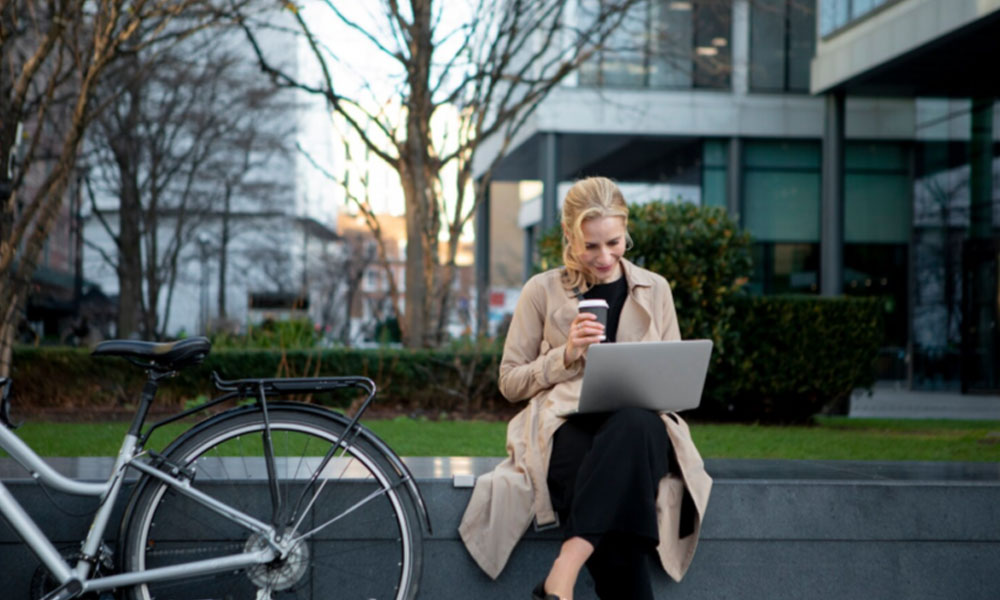
The way we live and work has changed dramatically over the past decade. Technology, remote work, changing consumer habits, and a stronger focus on personal well-being have reshaped everyday routines. People are no longer following one standard path when it comes to careers, communication, shopping, or even where they choose to live. Instead, modern lifestyles are becoming more flexible, digital, personalized, and connected.
This shift has also changed how individuals and businesses present themselves online. Freelancers, creators, small business owners, and even people building personal brands now pay much more attention to their visual identity. Easy-to-use digital platforms make it possible to design logos and create professional-looking branding materials without needing access to a large creative team. That accessibility reflects a much broader lifestyle trend: people increasingly want tools that give them more independence, speed, and control over how they work and express themselves.
Remote Work Has Changed Our Relationship With the Office
One of the clearest lifestyle changes has been the rise of remote and hybrid work. For many professionals, work is no longer tied to a particular desk or office building. A laptop, a reliable internet connection, and a few collaboration tools can now replace much of the traditional workplace.
This flexibility has created new opportunities. Someone living in a smaller city can work for a company based in another country. Parents can sometimes organize their schedules around family responsibilities more easily. Freelancers and entrepreneurs can build international client bases without relocating.
At the same time, remote work comes with its own challenges. Without a physical separation between home and office, it can become surprisingly difficult to know when the workday ends. A dining table may become a desk, while messages and notifications continue long after normal working hours.
Creating boundaries is therefore becoming an important modern work skill. Even simple habits can help, such as setting clear working hours, turning off notifications in the evening, or creating a dedicated workspace at home.
Flexibility Is Becoming More Important Than Traditional Stability
Previous generations often associated career success with staying at one company for many years. Today, professionals are increasingly willing to change jobs, industries, or even career paths in search of better opportunities.
Flexibility has become valuable because people want work to fit into their lives rather than allowing work to define every part of them.
A marketing specialist might become an independent consultant. A graphic designer may work with several clients instead of one employer. Someone with a corporate job might start a small online business in their free time.
This doesn’t mean stability has become unimportant. Instead, the definition of stability is changing. For some people, having multiple income streams or transferable skills can feel more secure than depending entirely on one employer.
As a result, continuous learning has become essential. Professionals are regularly developing new skills in areas such as digital marketing, artificial intelligence, data analysis, content creation, and project management.
Technology Is Making Everyday Life More Convenient
Modern lifestyles are closely connected to digital tools. Tasks that once required significant time and effort can often be completed in minutes.
Banking can be managed from a phone. Groceries can be ordered online. Meetings can happen through video calls. Documents can be signed electronically. Businesses can communicate with customers through automated systems.
Convenience is one of the biggest reasons these technologies become part of everyday routines.
Consider a small business owner who needs to manage customer questions, invoices, social media posts, and appointments. Instead of hiring separate people for every task, they may use several affordable online platforms to handle much of the work.
The result is greater independence, especially for entrepreneurs and small teams.
However, convenience can also create dependency. When every activity involves a screen, people may find themselves checking devices almost constantly. Learning when to disconnect is becoming just as important as learning how to use new technology.
Personal Branding Is Becoming a Career Asset
Another major lifestyle trend is the growing importance of personal branding. In many industries, people are no longer represented only by a résumé.
Their LinkedIn profile, portfolio, website, social media activity, and online reputation can all influence professional opportunities.
This is especially noticeable among freelancers, consultants, designers, writers, and entrepreneurs. Potential clients often research someone online before contacting them.
A consistent digital presence can therefore build trust.
That doesn’t mean everyone needs to become an influencer. Personal branding can be simple. A professional profile photo, clear description of your expertise, updated portfolio, and consistent visual style may be enough to create a strong impression.
The key is authenticity. People generally respond better to professionals who communicate clearly and naturally rather than trying to appear overly polished.
Health and Well-Being Are Becoming Part of Career Conversations
Another significant change is the growing attention paid to physical and mental well-being.
Work culture once rewarded long hours and constant availability. While that attitude still exists in many industries, more professionals are questioning whether it actually leads to better performance.
Sleep, exercise, stress management, and work-life balance are increasingly recognized as productivity factors rather than personal issues unrelated to work.
Companies are also responding by offering benefits such as flexible schedules, wellness programs, additional time off, or remote working options.
Individuals are making similar adjustments.
Some people schedule workouts during lunch breaks. Others use walking meetings instead of sitting in front of a screen. Freelancers may organize their work around the hours when they feel most productive.
These changes reflect a broader understanding that sustainable performance matters more than short bursts of overwork.
People Are Spending More Intentionally
Consumer habits are changing as well.
Many people are becoming more selective about what they buy and which brands they support. Factors such as sustainability, convenience, quality, and transparency increasingly influence purchasing decisions.
Instead of automatically choosing the cheapest option, some consumers prefer products that last longer or brands that align with their values.
Subscription services have also changed spending habits. Music, entertainment, software, fitness programs, and even household products can now be accessed through monthly payments.
This model offers convenience, but it can also make spending harder to track.
One practical habit is to review recurring subscriptions every few months. People are often surprised by how many services they continue paying for but rarely use.
Home Spaces Are Becoming Multifunctional
Modern homes are also adapting to changing lifestyles.
A bedroom may double as an office. A kitchen may become a content studio. A spare room might function as a gym during the morning and a workspace later in the day.
This multifunctional approach has influenced interior design as well. People increasingly look for furniture and layouts that can adapt to different activities.
For example, foldable desks, modular furniture, compact storage systems, and improved lighting have become especially useful for people working from smaller homes or apartments.
Creating clear zones can make these spaces feel more organized. Even without a separate office, placing work equipment in one specific area can help create a psychological boundary between work and personal time.
Social Connections Are Becoming Both Digital and Local
Technology allows people to maintain relationships across huge distances. Friends can speak through video calls, professionals can network internationally, and online communities can connect people with highly specific interests.
Yet this digital connectivity has also increased appreciation for local and face-to-face experiences.
People still value meeting friends for coffee, attending community events, joining fitness classes, or working occasionally from coworking spaces.
The strongest modern lifestyles often combine both worlds.
Digital tools provide convenience and access, while in-person experiences provide a type of connection that technology cannot completely replace.
How to Adapt Without Constantly Chasing Trends
Not every lifestyle trend will improve your life.
New apps, productivity methods, and career advice appear constantly. Trying to follow everything can become exhausting.
A better approach is to evaluate trends based on practical value.
Ask whether a new tool genuinely saves time. Consider whether flexible work improves your productivity or simply makes you available around the clock. Think about whether a new routine supports your long-term goals rather than temporarily making you feel more productive.
Small experiments are usually better than dramatic changes.
Try a new productivity system for two weeks. Work remotely for part of the week if possible. Remove unnecessary subscriptions for a month. Adjust your workspace and see whether your concentration improves.
The goal isn’t to follow every trend. It’s to identify the changes that actually make your life easier, healthier, or more meaningful.
Conclusion
Modern lifestyle trends are reshaping almost every part of daily life, from how we work and communicate to how we spend money and organize our homes. Greater flexibility and powerful digital tools have created opportunities that were difficult to imagine only a generation ago.
At the same time, these changes require thoughtful decisions. Convenience can become distraction, flexibility can blur boundaries, and constant connectivity can make it difficult to disconnect. The most useful approach is to adopt new habits and technologies selectively, keeping the ones that genuinely support your goals while ignoring the pressure to follow every trend.