

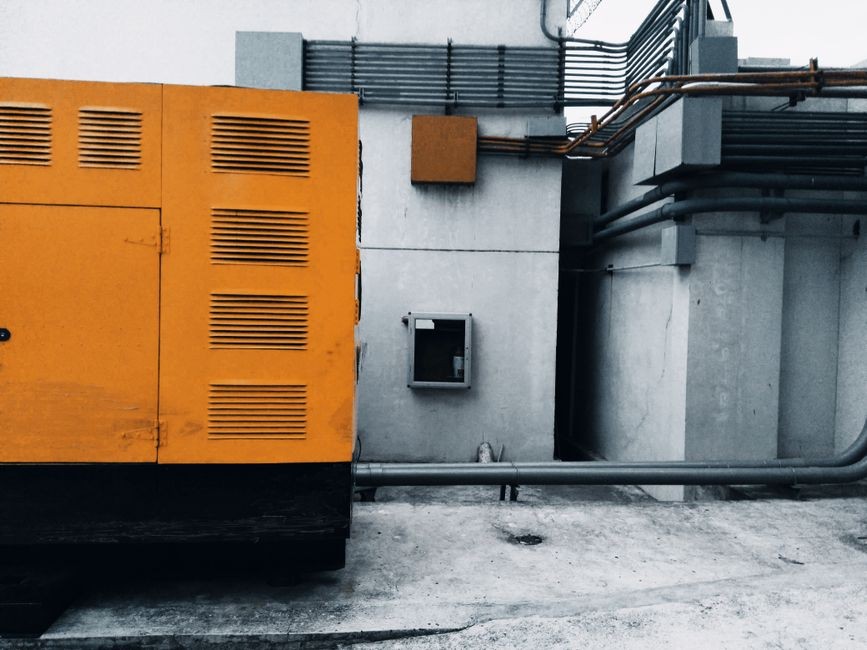
When the power cuts out, the inconvenience hits fast. Your Wi-Fi dies, your fridge starts a countdown, and any business operation suddenly looks fragile. Storm season, grid strain, and aging infrastructure have made backup power less of a luxury and more of a planning decision. If you own a home, run a small business, or manage property, knowing how generator systems work can save you money, stress, and a lot of flashlight scavenger hunts.
Why backup power matters more than it used to
You’re dealing with a power grid that has more pressure on it than ever. Extreme weather events are more common, demand spikes are sharper, and outages often last longer than people expect. A short interruption can be annoying. A long one can wreck inventory, damage appliances, interrupt remote work, and create safety issues.
For homeowners, the risks are practical and immediate:
– Food spoilage in refrigerators and freezers
– Loss of heating or air conditioning
– Security system downtime
– Sump pump failure during storms
– Interrupted internet for school or work
For businesses, the stakes climb quickly. A restaurant can lose perishable stock. A retail store may lose sales and payment processing. A small office can miss deadlines, client calls, or access to cloud-based systems if routers and network hardware go dark.
Backup power helps you keep the essentials running without improvising your entire day around an outage.
Installation is not a DIY flex
It can be tempting to think generator setup is just wiring plus fuel plus confidence. It isn’t. A backup power system involves electrical code compliance, fuel source coordination, safe placement, ventilation rules, and transfer switch integration. One mistake can create fire risks, carbon monoxide hazards, or backfeeding issues that endanger utility workers and your property.
If you’re considering a standby unit, professional generator installation is the smart route because the system has to match your electrical panel, load requirements, and local code standards. You also need proper testing once the unit is installed. A generator that looks great on a spec sheet but fails during a storm is basically expensive yard decor.
Good installation work usually includes:
– Site assessment and load evaluation
– Transfer switch setup
– Fuel connection planning
– Permit and code compliance
– Startup testing and safety checks
– Guidance on operation and maintenance
You’re not just buying a machine. You’re building a resilience system.
Portable vs standby generators: what you actually need
You’ve probably seen both options: portable generators sitting in garages and standby units installed outside homes or commercial buildings. They serve different purposes, and choosing the wrong one can leave you underpowered or over budget.
Portable generators usually cost less upfront and can cover limited needs. They’re useful for temporary power, but they require manual setup, fuel storage, extension cords, and careful ventilation. They also demand a level of readiness that sounds simple until you’re standing in heavy rain reading a startup label by phone flashlight.
Standby generators are fixed systems that turn on automatically during an outage. They connect directly to your electrical system and can run on natural gas or propane. If you want uninterrupted support for major appliances, HVAC systems, medical equipment, or business-critical circuits, this is often the better fit.
A quick comparison helps:
– Portable generators: lower initial cost, manual operation, limited coverage
– Standby generators: higher initial cost, automatic startup, broader coverage
– Portable units: good for short-term and selective use
– Standby systems: better for long outages and seamless continuity
The right choice depends on your load needs, property layout, and tolerance for hassle.
What proper sizing means and why it matters
A generator that’s too small won’t carry what you need. One that’s too large can push up costs without delivering meaningful extra value. Sizing is where many people make expensive mistakes.
You need to look at starting wattage and running wattage, not just a rough appliance count. Air conditioners, refrigerators, pumps, and some commercial equipment draw a surge when they start. That surge matters. If your generator can’t handle it, your system may trip or fail to power key equipment.
A solid sizing process usually considers:
– Essential circuits versus whole-property coverage
– HVAC requirements
– Refrigeration and freezer loads
– Medical or safety equipment
– Office electronics and network gear
– Commercial tools or specialized machinery
If you run a business, prioritize continuity by function. Ask yourself what absolutely must stay on to protect revenue, safety, and customer trust. For a home, that list often starts with refrigeration, climate control, lighting, internet, and water-related systems.
This is also where load management and transfer switches enter the conversation. Not glamorous terms, but they do the heavy lifting behind reliable performance.
What maintenance looks like in real life
Generators are reliable when they’re maintained. Neglect them, and they tend to reveal that neglect at exactly the worst time. The moment your neighborhood goes dark is not when you want to learn your battery is dead or your fuel supply has a problem.
For standby systems, maintenance often includes routine inspections, oil and filter changes, battery testing, software or control checks, and exercise cycles. Many units perform self-tests automatically, but those tests don’t replace a full service schedule.
Portable generators need attention too. Fuel can degrade, carburetors can gum up, and extension cords can become safety issues if they’re damaged or undersized.
Here are a few useful habits:
– Keep maintenance records
– Follow the manufacturer’s service intervals
– Test the unit before storm season
– Store fuel safely if you use a portable model
– Clear debris around standby units
– Listen for unusual sounds during test runs
Think of it like insurance with moving parts. You want confidence, not guesswork.
How backup power affects property value and business resilience
A generator won’t be the flashiest upgrade on your property, but it can be one of the most practical. Buyers and tenants increasingly notice infrastructure that supports comfort and continuity. In areas with frequent outages, backup power can strengthen the appeal of a home or commercial space.
For business owners, resilience has brand value too. If you can stay open, keep systems running, protect inventory, and communicate with customers during a disruption, you’re ahead of competitors who are stuck waiting for the grid to wake up.
There’s also a financial angle worth considering:
– Reduced risk of spoilage or equipment downtime
– Less interruption to billable work
– Better protection for sensitive electronics
– Improved comfort and safety during emergencies
– Potentially stronger buyer interest for well-equipped properties
You don’t need to be dramatic about outages to plan for them well. A generator is simply one of those investments that seems boring right up until the moment it becomes the hero of the week.
Choosing the right setup without overspending
You don’t need the biggest unit on the market. You need the system that matches your actual needs. Start with the non-negotiables, then look at fuel options, runtime expectations, noise levels, and maintenance requirements.
If you’re a homeowner, decide whether you want whole-house coverage or support for essentials only. If you run a business, calculate the cost of one hour of downtime. That number often changes the conversation fast.
Before moving forward, ask these questions:
– What loads are mission-critical?
– How long do outages usually last in your area?
– Do you have access to natural gas or propane?
– Do you want automatic startup?
– What’s your maintenance plan?
– Will the system scale if your needs grow?
A thoughtful backup power plan gives you more than electricity. It gives you continuity, control, and fewer reasons to panic-buy batteries before the next storm.